
The Real Cost of Living in Ho Chi Minh City 2026: A Month-by-Month Budget Breakdown at Every Lifestyle Level Near Eco Green Saigon

Eco Green Saigon — Your Trusted District 7 Property Advisor in Ho Chi Minh City
Whether you are looking to rent, buy, or simply explore what life in District 7 looks like, our team is here to help. Reach out for a no-obligation consultation or schedule a free property tour today.
Looking for an apartment in Ho Chi Minh City?
Tell us your budget and preferred area, and we’ll recommend the best apartments for you.
Reach us via the button on the right, the contact buttons below,or the website footer.


"How much does it really cost to live in Ho Chi Minh City?" It's the first message I receive from almost every expat who reaches out. And the honest answer? It depends — by a factor of three.
I have spoken with hundreds of residents at Eco Green Saigon in District 7 over the past year. I have seen frugal freelancers manage comfortably on $1,200 a month. I have seen corporate families settle into a $4,500 lifestyle without blinking. Both are real. Both are sustainable. And both can be planned for — if you know how to read the numbers.
This guide breaks down the real cost of living in Ho Chi Minh City in 2026, structured around three lifestyle tiers: Frugal, Balanced, and Premium. Every figure comes from real residents, local market surveys, and the most recent utility and rental data available for District 7.
Whether you are relocating next month or still in the research phase, bookmark this page. It will save you from the two most common financial mistakes expats make in Saigon: underestimating setup costs and ignoring seasonal cash-flow spikes.
Understanding the Three Lifestyle Tiers
Before diving into numbers, it helps to define what each tier actually means in the context of District 7 living.
Tier 1: Frugal — $1,100 to $1,400/month
This is the budget-conscious but comfortable lifestyle. You cook most of your own meals, use Grab or buses for transport, choose a studio or shared one-bedroom apartment, and socialise at local coffee shops rather than rooftop bars. You are not cutting corners; you are simply choosing local over imported at every decision point.
Tier 2: Balanced — $2,000 to $2,800/month
This is the most popular tier among single expats and couples at Eco Green Saigon. You rent a one-bedroom or two-bedroom apartment in a mid-range building, mix home cooking with dining out, use Grab for daily transport, and travel to a neighbouring country once every three months.
Tier 3: Premium — $3,500 to $5,000+/month
This tier suits corporate families, senior managers, and those who want a lifestyle comparable to Singapore or Hong Kong without the price tag. Think international school fees, serviced apartments or large three-bedroom units, gym memberships, regular fine dining, and two or three annual international flights.
Housing: The Biggest Variable in Your Budget
Accommodation typically represents 35 to 45 percent of a total monthly budget in Ho Chi Minh City. District 7 has become the preferred neighbourhood for expat families, and for good reason: the streets are clean, the international school cluster is dense, and projects like Eco Green Saigon offer a fully serviced community lifestyle that is hard to replicate elsewhere in the city.
Current rental benchmarks in District 7 (June 2026):
• Studio apartment (25–35 sqm): $450 to $600/month
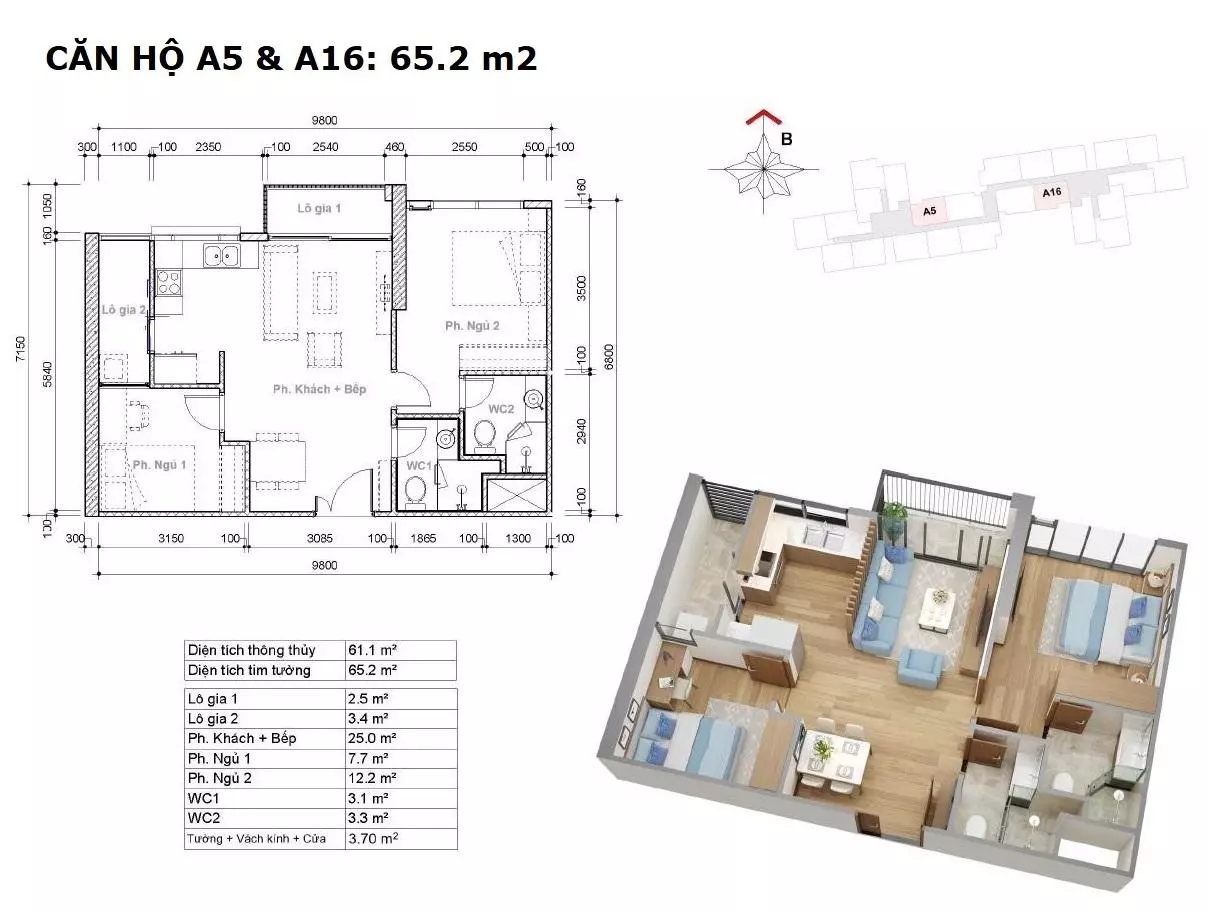
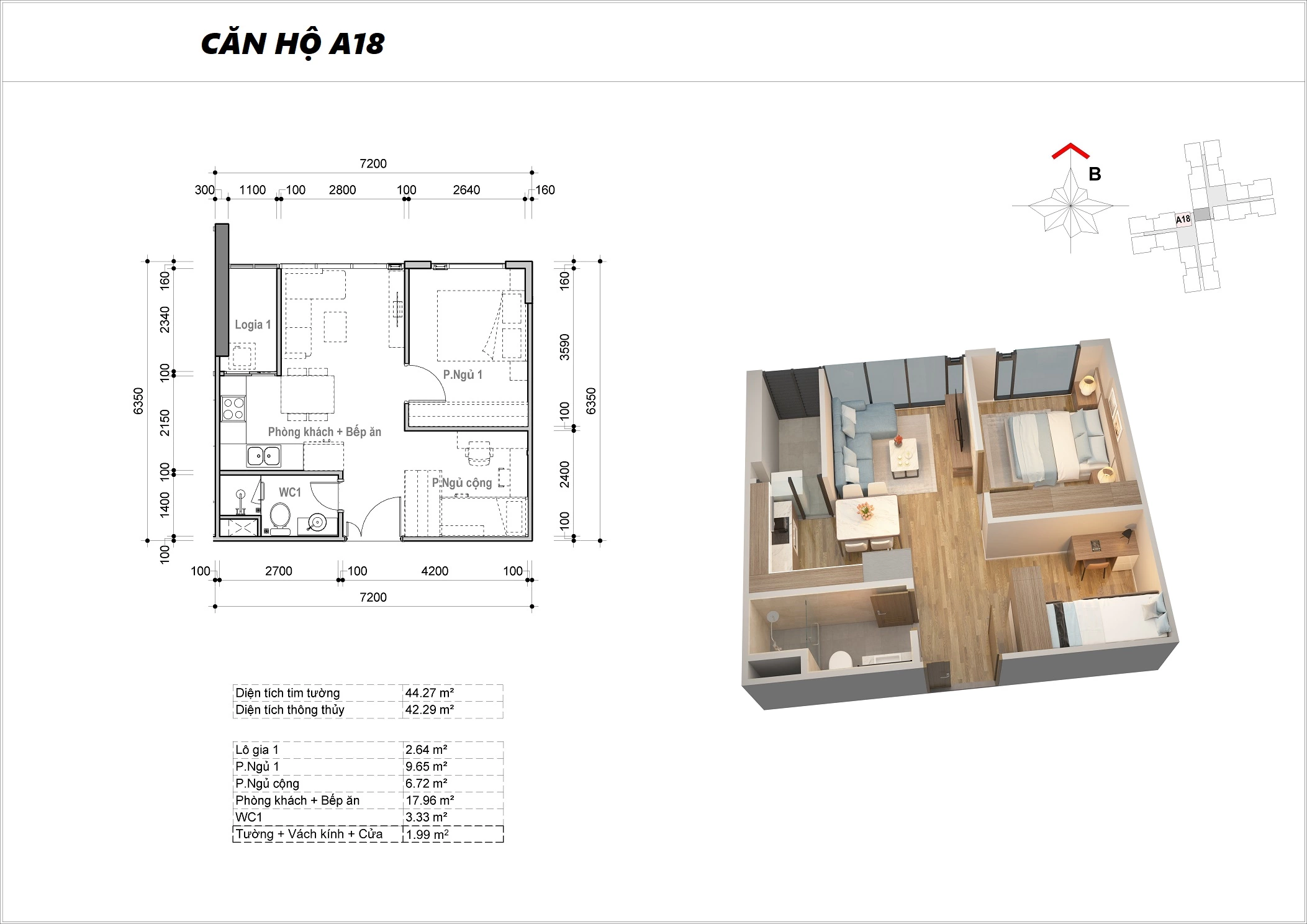
• One-bedroom (45–60 sqm): $700 to $950/month at Eco Green Saigon
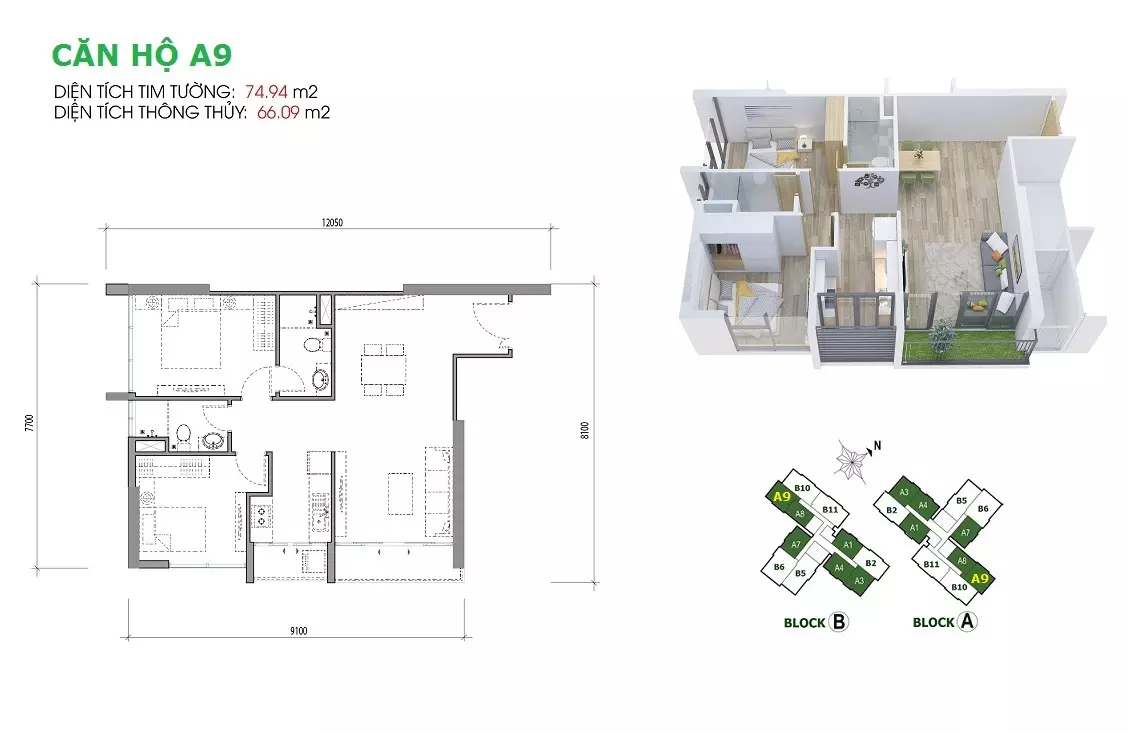
• Two-bedroom (75–95 sqm): $1,100 to $1,500/month at Eco Green Saigon
• Three-bedroom (110–130 sqm): $1,600 to $2,200/month (premium projects)
• Serviced apartment (all-inclusive): $2,000 to $3,500/month
One important distinction: at Eco Green Saigon, the quoted rent usually includes access to the 53-hectare campus with pools, parks, tennis courts, and 24-hour security. When you compare this to a cheaper apartment in a less-developed pocket of District 7, factor in what you would spend to replicate those amenities separately — a gym membership alone can cost $50 to $80 per month.
Tip: Most landlords in District 7 expect a two-month deposit plus one month in advance at signing. Budget $2,100 to $2,700 in upfront housing costs for a balanced-tier apartment, on top of your first month's rent.
Food: From Street Stalls to Supermarkets
Food costs in Saigon are where the lifestyle difference becomes most visible. A bowl of pho at a local street stall costs 40,000 to 60,000 VND (about $1.60 to $2.40). A steak at a mid-range restaurant on Phu My Hung Boulevard costs 350,000 to 500,000 VND ($14 to $20). Both are part of life in District 7 — and your monthly food bill depends almost entirely on which one you default to.

Property Code: ECG-4762
📍 Eco Green Saigon | HR2C Tower, Floor 18
🏠 2 Bedrooms, 2 Bathrooms | 78㎡
💰 Rent: 17,000,000 VND/month
🛋️ Furnishing: Full Modern Furnishing
✨ Balanced layout, internal view, suitable for study/child room or home office
Monthly food estimates by tier:
• Frugal: $170 to $220/month (80% home-cooked, 20% local eateries)
• Balanced: $400 to $580/month (mix of cooking, neighbourhood restaurants, and occasional fine dining)
• Premium: $900 to $1,200/month (majority dining out, imported groceries, wine)
The local wet markets near Eco Green Saigon — particularly Hung Phuoc Market on Nguyen Huu Tho Street — are an excellent and affordable source of fresh vegetables, fish, and pork. Most residents report spending 200,000 to 350,000 VND ($8 to $14) for a full week's supply of fresh produce. Combine this with Lotte Mart, Emart, or VinMart for dry goods and international products, and a balanced household of two can manage food costs at $300 to $380 per month.
One tip worth mentioning: buying at the market between 5:00 and 7:00 AM gets you the freshest selection and the best prices. Arrive after 9:00 AM and the premium vendors have already sold out.
Transport: Grab, Motorbike, or Car?
Transport in Ho Chi Minh City is cheaper than almost any major Asian city, but it scales significantly depending on your choices.
Monthly transport cost estimates:
• Frugal: $25 to $40/month (city bus for short commutes + occasional Grab)
• Balanced: $100 to $180/month (daily Grab for commuting + weekend car hires)
• Premium: $400 to $600/month (private car or monthly car hire, parking fees)
Many expats living at Eco Green Saigon opt for a motorbike after the first few months. A second-hand Honda Wave or Yamaha Exciter costs $400 to $700, and monthly petrol runs about $15 to $25. Once you factor out the initial purchase, this is by far the most cost-effective option for daily movement around District 7 and central Saigon.
The good news for residents of Eco Green Saigon: the development is located close to the Nguyen Van Linh Boulevard axis, which provides direct access to both the CBD (District 1) in 20 to 25 minutes and Tan Son Nhat International Airport in 25 to 35 minutes via the Ring Road 3. This cuts Grab costs substantially compared to more remote expat neighbourhoods.
Utilities, Internet and Mobile: The Numbers Nobody Mentions
Utilities are one of the most commonly underestimated costs in a first-time expat budget. The Vietnamese electricity pricing system is tiered, meaning the more you use, the higher the per-unit rate. Air conditioning — which you will run 10 to 14 hours per day in the April to June dry season — is the dominant driver.
Typical monthly utility costs:
• Electricity (studio, moderate AC use): $25 to $45/month
• Electricity (one-bedroom, heavy AC use): $50 to $90/month
• Electricity (two-bedroom, family use): $80 to $140/month
• Water: $5 to $12/month
• Building management fee (already included in most Eco Green Saigon rents): $0 extra
• Home fibre internet (200 Mbps via Viettel or FPT): $15 to $22/month
• Mobile data SIM (Viettel 30 GB plan): $6 to $9/month
An important seasonal note: electricity bills in April and May are typically 40 to 60 percent higher than in October and November. The dry season heat pushes AC usage to its maximum. Budget-conscious residents often pre-set the AC to 26°C with a timer, reducing consumption by 20 to 30 percent without a noticeable comfort trade-off.
Healthcare and Insurance: Do Not Skip This One
Healthcare in Vietnam is world-class at the international hospital level — but it is not free for foreigners. Without health insurance, a single GP consultation at an international clinic like FV Hospital (a 5-minute drive from Eco Green Saigon) costs $50 to $80. Specialist consultations run $100 to $200. A one-night hospital stay with tests and medication can reach $800 to $2,000.
Health insurance cost estimates:
• Basic expat plan (outpatient + emergency, low limits): $80 to $150/month
• Mid-range comprehensive plan (most expats): $150 to $280/month
• Premium family plan (international school-grade coverage): $400 to $700/month for a family of three
Most corporate expats have employer-provided insurance. Self-employed expats and digital nomads typically choose a mid-range plan from providers like Cigna Global, Allianz Care, or AXA. The total annual premium usually pays for itself within one unexpected hospitalisation.
Good news: Vietnam has a national health insurance system (BHXH) that foreign residents on long-term work permits can enrol in at dramatically reduced rates ($10 to $20/month) for basic coverage. It does not cover international hospitals, but it covers the extensive network of Vietnamese public hospitals, which are significantly more affordable and have improved substantially in quality over the past five years.
The 7 Hidden Costs Expats Always Forget
Even residents who budget carefully tend to overlook a cluster of costs that show up in the first year. Here are the ones that come up most often in conversations at Eco Green Saigon:
• International bank transfer fees: $20 to $35 per transaction, plus 0.5% to 1.5% FX spread. If you receive income abroad and convert monthly, this adds $30 to $80/month in friction costs. Consider Wise or Revolut to reduce this.
• Return flights home: One round-trip flight from Ho Chi Minh City to a European city costs $600 to $1,100 economy. Many expats make two trips per year, adding $1,200 to $2,200 annually to the budget.
• Visa renewal costs: A one-year business visa or extension runs $150 to $300 in fees and agency charges. E-visa extensions for shorter stays cost $25 to $50 per entry.
• Streaming and digital subscriptions: Netflix, Spotify, VPN ($15/month), cloud storage — these add up to $60 to $100/month for a typical expat household.
• Social and cultural gifting: Tet bonuses for building staff, wedding gifts, housewarming gifts for Vietnamese colleagues — budget $100 to $200/year minimum.
• Professional development: Online courses, co-working space day passes, professional association fees — this varies widely but averages $50 to $150/month for active professionals.
• Unexpected apartment maintenance: Landlords in Vietnam do not always respond quickly to repairs. Budget $20 to $50/month as a maintenance reserve, especially for older buildings.
The Full Monthly Budget Breakdown (2026 Figures)
Here is a consolidated view of monthly costs across all three tiers. All figures are in USD and represent single-person budgets unless noted.
Frugal Tier ($1,100 to $1,400/month):
• Housing (studio): $450
• Food: $190
• Transport: $35
• Utilities + internet: $60
• Health insurance (basic): $100
• Personal care + miscellaneous: $80
• Buffer for hidden costs: $85
◦ TOTAL: ~$1,000 to $1,300/month
Balanced Tier ($2,000 to $2,800/month):
• Housing (1-bed at Eco Green Saigon): $830
• Food: $500
• Transport: $150
• Utilities + internet: $90
• Health insurance (mid-range): $200
• Entertainment + social: $200
• Buffer + flights/annual costs amortised: $300
◦ TOTAL: ~$2,270 to $2,700/month
Premium Tier ($3,500 to $5,000+/month, family of 3):
• Housing (2–3 bed, premium): $1,800
• International school fees (per child): $800 to $1,200
• Food: $1,000
• Transport (private/car): $500
• Utilities: $150
• Family health insurance: $550
• Lifestyle + holidays: $500
◦ TOTAL: ~$4,800 to $6,200/month (family of 3)
Three Residents Share Their Real Numbers
James, 34 — British Software Engineer, Solo
"I moved to District 7 in October 2025 with a freelance contract paying in GBP. I budgeted $2,500 a month and consistently come in at around $2,200. I rent a one-bedroom at Eco Green Saigon for $850, cook four nights a week from the local market, and use Grab for daily commutes. The biggest surprise was how much I save on entertainment. In London I was spending $600 a month going out. Here, the same lifestyle — dinners, nights out, weekend trips — costs maybe $250. My savings rate jumped from 12 percent to 38 percent in my first six months."
Linh & Marco, Vietnamese-Italian Couple
"We were hesitant about the cost of renting at Eco Green Saigon because the price is higher than other parts of District 7. But when we broke it down, the pools, the gym, the security, and the park access — that's easily $150 to $200 worth of memberships we would need to buy separately elsewhere. Our two-bedroom unit is $1,350 per month. With two incomes, our combined monthly budget is around $3,600. We eat out maybe five times a week and still save $800 per month. We haven't found anything in this city that matches the value."
Sandra, 52 — Canadian Retiree
"I retired early and moved from Vancouver in early 2025. In Canada, my cost of living was around CAD $6,500 per month. Here, I live very well on $2,100 USD per month. My apartment is a one-bedroom with garden view at Eco Green Saigon, which I rent for $780. I eat at neighbourhood restaurants most days, take taxis instead of motorbikes, and still have budget left for travel. I fly home once a year, and I have not touched my savings since arriving. For retirees thinking about Southeast Asia, Ho Chi Minh City, especially District 7, is genuinely transformative."
The Seasonal Cash-Flow Wave: When Costs Peak and Dip
One of the most practical things to understand about budgeting in Ho Chi Minh City is that monthly costs are not flat. They follow a predictable seasonal rhythm.
High-cost months:
• January — Tet preparation, gifts, and social obligations can add $100 to $300 to your month
• April to June — dry season electricity bills spike 40 to 60 percent due to AC usage
• August — back-to-school expenses for families with international school children
Low-cost months:
• October and November — cool season, minimal AC, low social spend
• February — post-Tet lull; restaurants and services often offer promotions
The single most valuable budgeting move: maintain a buffer of 15 to 20 percent of your monthly spend in a separate account. This smooths out the Tet spike, the dry season electricity surge, and any unexpected apartment or health issues without disrupting your savings rhythm.
How Ho Chi Minh City Compares to Other Expat Destinations
The numbers speak for themselves when you put them side by side.
Balanced-tier single expat budget comparison (2026):
• Ho Chi Minh City (District 7): $2,200 to $2,700/month
• Bangkok, Thailand: $2,800 to $3,400/month
• Kuala Lumpur, Malaysia: $2,500 to $3,000/month
• Shanghai, China: $4,000 to $5,500/month
• Singapore: $6,000 to $8,500/month
• Hong Kong, China: $6,500 to $9,000/month
Ho Chi Minh City consistently offers the most favourable cost-to-quality ratio in Southeast Asia for expats who prioritise space, community, and quality of life. District 7, and Eco Green Saigon in particular, sits at the intersection of affordability and premium lifestyle in a way that is increasingly rare in the region.
Final Thoughts: What's the Right Budget for You?
There is no universal answer to the cost-of-living question in Ho Chi Minh City. But the framework is simple:
• If you cook most meals, use Grab or a motorbike, and prioritise savings: $1,100 to $1,400/month is realistic and comfortable.
• If you want a full District 7 experience — Eco Green Saigon apartment, dining out regularly, occasional travel: $2,200 to $2,800/month covers everything.
• If you have a family, need international schooling, and want a premium lifestyle: plan for $4,500 to $6,500/month.
Whatever your tier, District 7 and Eco Green Saigon consistently deliver a lifestyle-per-dollar ratio that is difficult to match anywhere else in Asia. The residents who move here rarely move back.
Have questions about a specific budget scenario? Drop a comment below or reach out directly. We respond to every message.


Comments