
Eco Green Saigon: Understanding the City-Within-a-City Living Concept
Updated: 3 days ago
The phrase “city within a city” is often used to describe a residential development that brings housing together with services and shared facilities. In practice, the value of this idea depends on what is actually available, how residents can access it and whether it makes everyday life easier. This guide looks at how to assess the concept at Eco Green Saigon without assuming that every advertised service is available to every apartment.
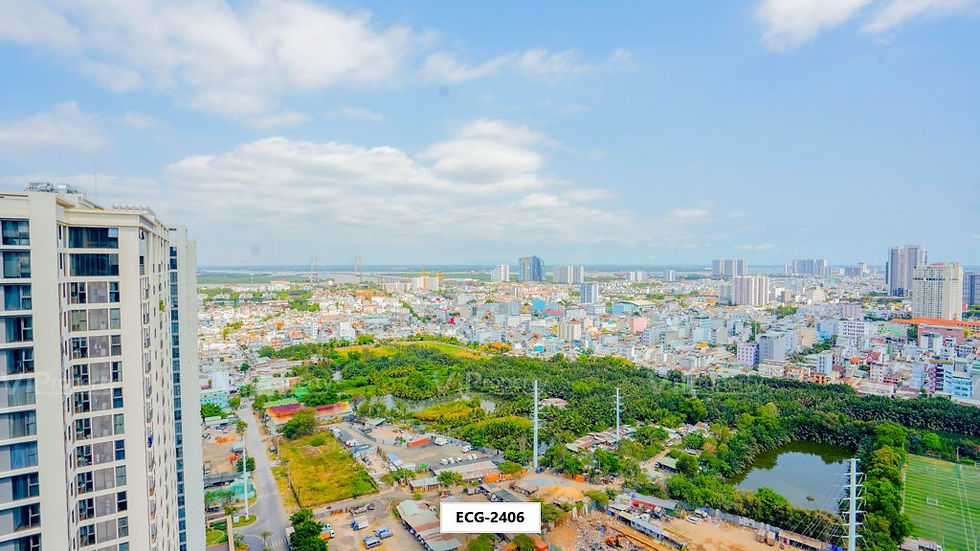
What does integrated residential living mean?
An integrated residential environment may combine apartments with retail, food options, landscaped areas, sports or leisure facilities and building services. The goal is to make some everyday activities easier to reach without travelling across the city. The exact mix differs by project and may change over time.
Start with the services you actually use
List the services that matter to your household: groceries, cafés, healthcare, childcare, exercise, parcel delivery or places to meet friends. Check which services are operating, where they are located and whether they are open to residents or the public. A long list of facilities is less useful if the services do not match your routine.
Check access to shared facilities
Ask management which facilities are currently available to residents of your specific tower and unit. Confirm opening hours, booking rules, guest access, maintenance closures, safety requirements and fees. Do not assume that a facility shown in project marketing is included in the rent or available without restrictions.
Consider the location beyond the project boundary
Even a development with internal services cannot replace every city destination. Consider how easily you can reach work, schools, hospitals, shopping areas and public transport. Test routes at the times you travel and check whether the surrounding roads, walking routes and pickup points suit your needs.
Green space and everyday comfort
Landscaped areas and outdoor spaces can support walking, relaxation and family activities. Visit them in person and check shade, cleanliness, lighting, noise, maintenance and access. In a hot or rainy climate, covered paths, ventilation and places to rest can matter as much as the presence of a garden.
Management is part of the living experience
A residential development depends on clear procedures for maintenance, security, deliveries, visitors, facility bookings and resident communication. Ask how problems are reported, who is responsible and how updates are shared. The quality of management affects how useful shared services are in everyday life.
Who may value this type of environment?
Residents who prefer having some services and shared spaces close to home may appreciate an integrated development. Families may value access to daily services and shared activities, while professionals may look for convenience after work. Others may prefer a quieter building or more independent neighbourhood. The right fit depends on personal habits.
How to assess Eco Green Saigon
When viewing Eco Green Saigon, inspect the actual apartment and walk through the shared areas. Confirm which facilities are operating, what access applies to your unit, the current management fees and the routes to your regular destinations. Compare the experience with other District 7 developments using the same criteria.
A practical checklist
Which services are currently operating within or near the development?
Which facilities can residents of this unit use, and at what cost?
How are maintenance, security and resident communications handled?
Are work, school, healthcare and shopping routes convenient?
Does the actual apartment meet your space, budget and comfort needs?
Look at daily convenience, not just the concept
“City within a city” is a useful way to describe an idea, but the real test is whether the development supports your daily routine. Check current services, access rules, management and location for the exact unit you are considering. Practical convenience matters more than a slogan.
Test the integrated-living idea against your week
Claim to examine | Evidence that would make it useful |
Everyday convenience | The shops and services you use, their actual entrances and operating hours. |
Shared facilities | Current access for this unit, available times, booking and extra charges. |
Reduced travel | Your measured regular journeys, including destinations outside the development. |
Value for the cost | Confirmed use of essential services compared with the full housing bill. |
Related guide
Check how the living concept fits your routine
Tell ViProperty which daily needs you hope to meet inside the project and which destinations you expect to travel to regularly.


Comments