
The billion-dollar pedestrian street in Bac Giang lies empty, villas abandoned
Friday, 24 April 2026
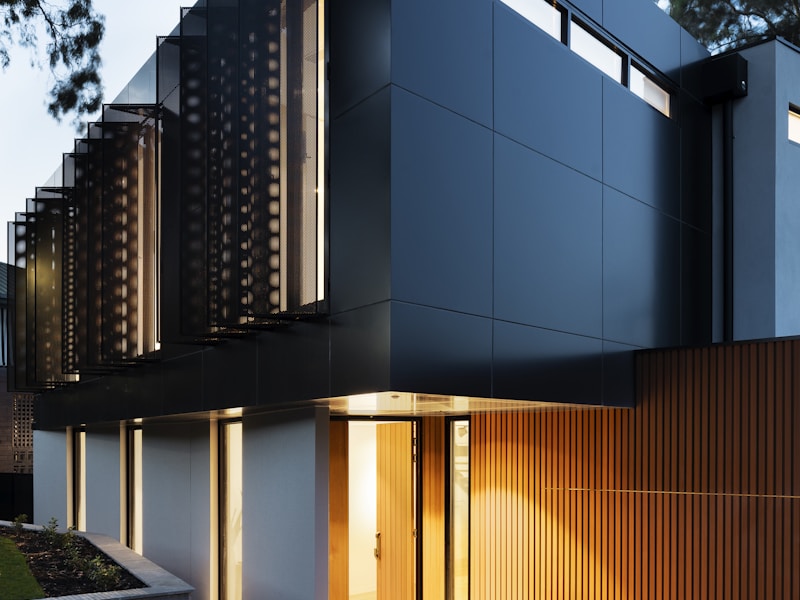
"Despite the basic infrastructure being completed, this area has fallen into a desolate state, empty of customers, with many houses left vacant and overgrown with weeds... The majority of the shophouses and villas in this area have been completed but remain in a deserted condition. Many houses are abandoned, with no one living or doing business, and the landscape has deteriorated with weeds growing wildly."
from
Vietnamnet
This situation highlights a critical lesson for real estate investors in Vietnam’s emerging markets: infrastructure alone does not guarantee success. The Bac Giang pedestrian street project, despite its ambitious scale and modern design, suffers from a fundamental lack of anchor demand—both residential and commercial. The shophouses and villas are built, but without a critical mass of residents, local services cannot thrive, creating a vicious cycle of vacancy. For investors, this is a stark reminder that location is not just about physical coordinates but about the ecosystem of people, jobs, and daily activity. In the short term, the area will likely remain stagnant, with property values under pressure and rental yields near zero. Developers and buyers must prioritize projects with proven catchment populations, accessible transport links, and phased development that aligns with actual demand. The Bac Giang case also underscores the risk of over-reliance on government master plans and promotional hype. For now, the prudent strategy is to wait for clear signs of organic growth—such as new schools, hospitals, or offices—before committing capital to such zones. Investors should focus on established urban centers or secondary cities with demonstrated absorption rates, not speculative infrastructure.
Opinions from: EcoGreen Saigon Real Estate Research Team

Đang trống


